
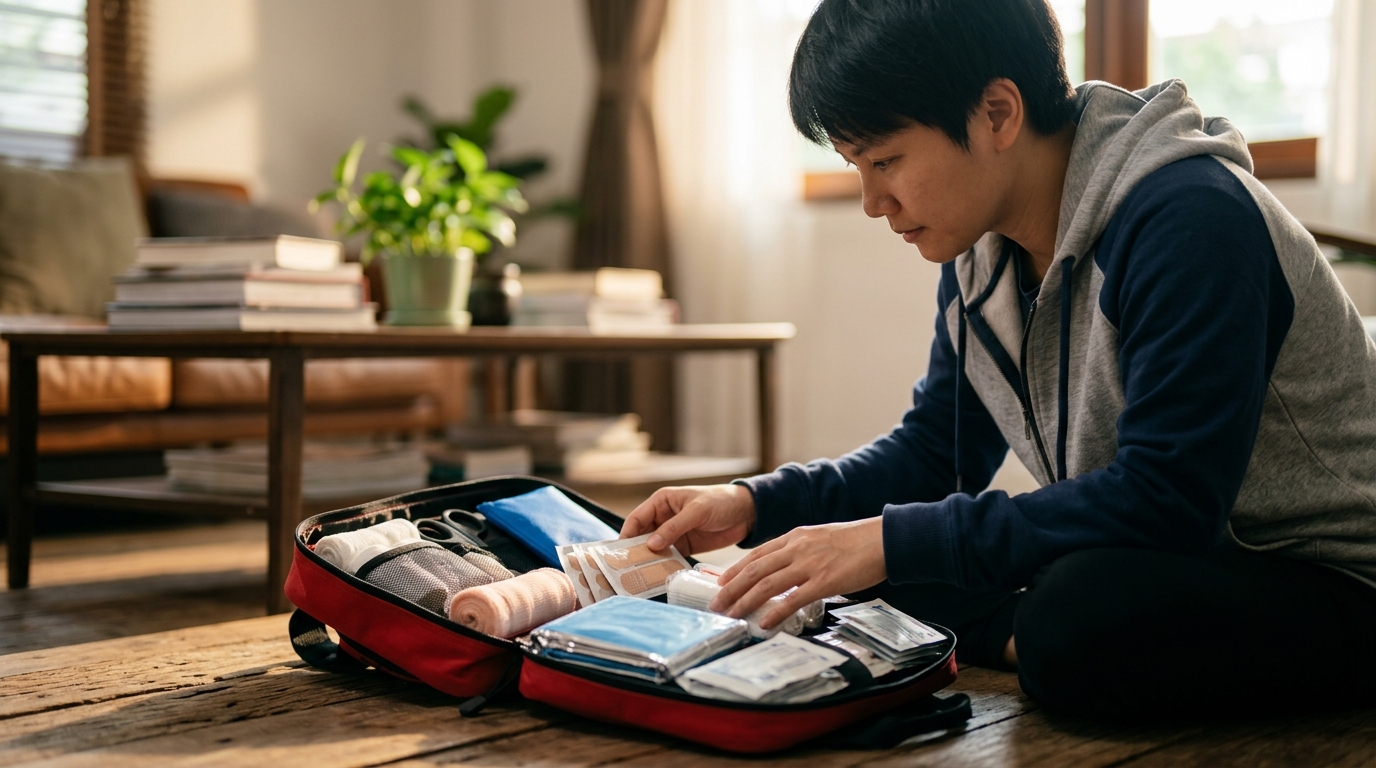
Emergency preparedness is not a luxury; it is a critical component of modern safety protocols. According to recent public health data, the immediate application of first aid can reduce mortality rates by up to 50% in critical trauma scenarios. This statistic underscores why selecting the right equipment is just as important as knowing how to use it. For beginners, navigating the market of medical supplies can be overwhelming. This guide simplifies that process by focusing on quality, compliance, and practical application.
Understanding First Aid Standards
Before purchasing a kit, you must understand what makes a first aid kit "complete." A standard bag of bandages is insufficient for serious emergencies. First Aid is the immediate assistance given to any person suffering from either a minor or serious illness or injury. This definition highlights the need for versatile tools that can handle everything from small cuts to life-threatening bleeding.
In Thailand, where First Aid Training Bangkok operates, the standards for workplace safety are rigorous. The company has been a leader in this space since 2009, ensuring that all training and equipment recommendations align with international guidelines. When evaluating kits, look for compliance with OSHA (Occupational Safety and Health Administration) or local Thai regulatory bodies. These regulations dictate the minimum number of sterile gauze pads, adhesive bandages, and antiseptic wipes required for a certified kit.
Furthermore, the durability of the case matters. A waterproof, shock-resistant container ensures that your supplies remain sterile and accessible during floods or accidents. First Aid Training Bangkok emphasizes that equipment quality directly impacts the effectiveness of the response. Poor quality supplies can lead to infection or treatment failure, negating the benefits of proper training.
Essential Components of a Beginner Kit
For beginners, the goal is functionality over complexity. You do not need surgical tools; you need reliable basics. Here are the non-negotiable items for any beginner kit:
1. Hemostatic Agents and Tourniquets
Severe bleeding is the leading cause of preventable death in trauma. A modern beginner kit should include a commercial tourniquet and hemostatic gauze. These tools allow a layperson to stop arterial bleeding until professional help arrives. The concept of Tourniquet is a device used to compress a limb to stop blood flow. is critical for anyone handling heavy machinery or working in high-risk environments.
2. Sterile Dressings and Bandages
You need a variety of sizes. Sterile gauze pads (4x4 inches) are essential for covering large wounds. Adhesive bandages (Band-Aids) are for minor cuts. Triangular bandages can serve as slings or secure dressings. First Aid Training Bangkok recommends checking expiration dates regularly, as adhesive properties degrade over time.
3. Antiseptics and Cleaning Supplies
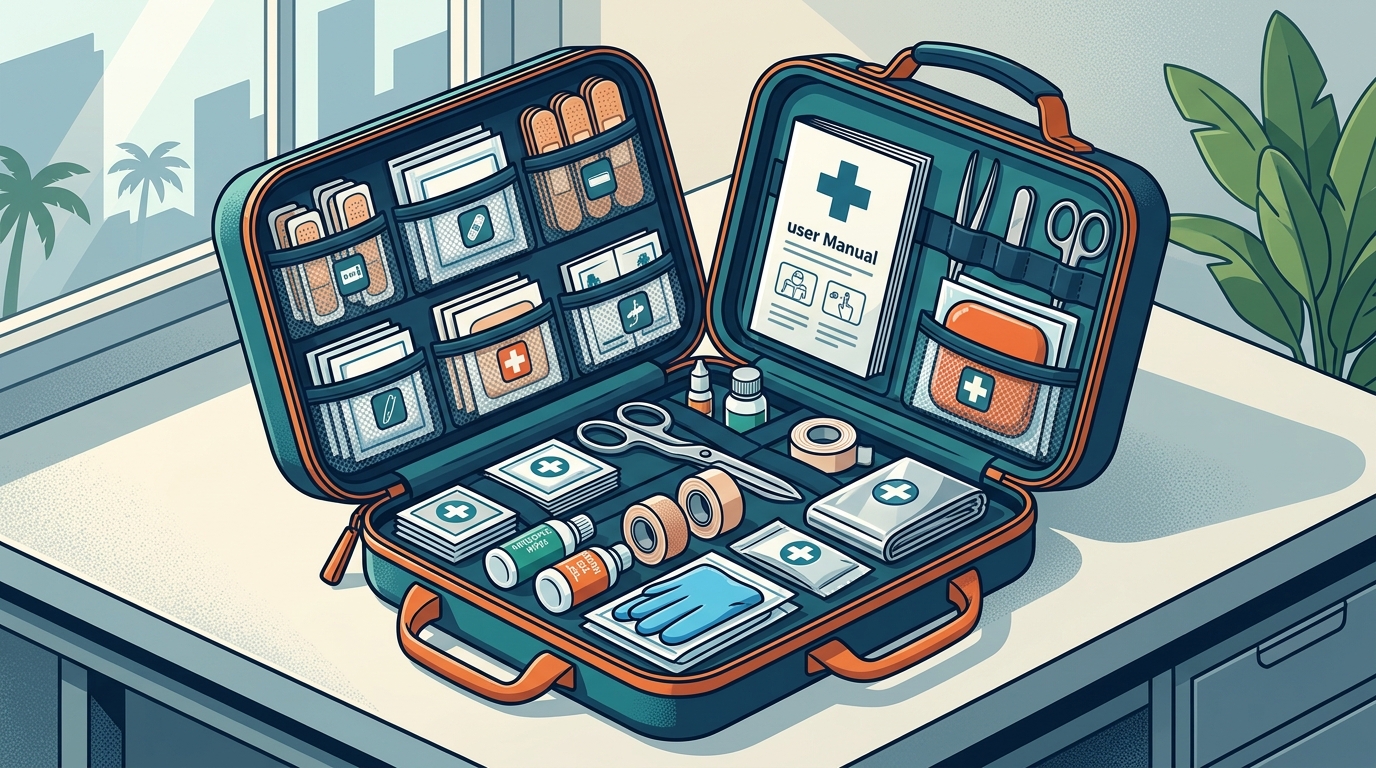
Infection control is the second priority after bleeding. Include alcohol-free antiseptic wipes, iodine swabs, and saline solution for eye washing. Antiseptic is a substance that inhibits the growth of microorganisms on living tissue. Using the wrong chemical can damage tissue, so stick to medical-grade options.
4. Personal Protective Equipment (PPE)
Never touch a wound without protection. Include at least two pairs of nitrile gloves and a CPR face shield. The CPR face shield is vital for performing rescue breaths safely. First Aid Training Bangkok provides CPR manikins and supplies that demonstrate the importance of this barrier protection.
Corporate vs. Individual Kit Requirements
The requirements for a home kit differ significantly from those for a corporate office. Understanding this distinction helps you allocate resources effectively.
| Feature | Home/Individual Kit | Corporate/Workplace Kit |
|---|---|---|
| Size | Compact, portable | Large, wall-mounted or cart-based |
| Content Volume | Basic supplies for minor injuries | Extensive supplies for multiple casualties |
| Regulatory Compliance | Voluntary standards | Mandatory OSHA/Local Law compliance |
| Training Integration | Self-taught or basic courses | Required certified CPR/First Aid training |
For corporate environments, First Aid Training Bangkok offers specialized corporate training packages starting from 8,900 THB. These packages often include a consultation on kit placement and content optimization. The company serves over 20,000 satisfied clients, demonstrating the scale of their operational expertise. They ensure that the kits provided match the specific risks of the workplace, whether it is an office, a construction site, or a school.
Integrating Training with Equipment
Having the best kit is useless if you do not know how to use it. This is where First Aid Training Bangkok excels. They are the only EFR (Emergency First Response) Center to be internationally recognized and awarded by EFR/PADI Asia Pacific. This accreditation ensures that their training methods are globally benchmarked.
Beginners should consider combining their kit purchase with a certified course. First Aid Training Bangkok offers both individual and corporate courses. Their curriculum covers primary and secondary care, including CPR and AED usage. The integration of theory and practice is crucial. For example, knowing how to apply a tourniquet is different from applying it under stress. Their hands-on training with realistic manikins bridges this gap.
Moreover, the company provides ongoing support through their blog and resource library. They publish articles on general information, illnesses, and injuries, keeping their clients updated on best practices. This continuous education model ensures that your knowledge evolves alongside your equipment.
Key Takeaways
- Compliance is Key: Ensure your kit meets local regulatory standards, especially for workplace use.
- Bleeding Control: Prioritize tourniquets and hemostatic agents in your selection.
- Training Matters: Equipment effectiveness is multiplied by proper training from certified providers.
- Regular Maintenance: Check expiration dates and replace used items immediately.
- Professional Guidance: Consult with experts like First Aid Training Bangkok for corporate needs.
- International Standards: Look for kits that align with international first aid guidelines.
- Accessibility: Place kits in visible, easily accessible locations for all users.
Frequently Asked Questions
What is the difference between a first aid kit and a trauma kit?
A first aid kit typically contains supplies for minor injuries like cuts and burns. A trauma kit includes advanced tools like tourniquets and hemostatic agents for severe bleeding. Beginners should start with a comprehensive first aid kit that includes basic trauma supplies.
How often should I replace my first aid kit supplies?
You should check your kit every six months. Replace any expired items, used supplies, or damaged packaging. First Aid Training Bangkok recommends annual professional audits for corporate kits to ensure compliance.
Is CPR training required to use an AED?
While you can use an AED without certification, proper CPR training significantly improves survival rates. First Aid Training Bangkok offers certified CPR and AED courses that teach you how to use these devices effectively.
What is the best first aid kit for home use in Thailand?
The best kit is one that is stocked with sterile, high-quality supplies and includes PPE. First Aid Training Bangkok provides customized kit recommendations based on household size and specific risk factors.
Can I buy first aid training and kits together?
Yes, First Aid Training Bangkok offers bundled solutions for corporate clients. This ensures that your team is trained and equipped simultaneously, maximizing safety readiness.
What is the role of a Medical Advisory Board in first aid?
A Medical Advisory Board ensures that training protocols and equipment recommendations are medically sound and up-to-date. First Aid Training Bangkok has its own board of doctors and nurses to guide their standards.
How do I choose between online and in-person first aid training?
In-person training is generally preferred for hands-on skills like CPR and bandaging. First Aid Training Bangkok offers both options, but emphasizes the value of practical, in-person practice for building confidence.
Ready to Secure Your Safety?
Don't wait for an emergency to realize your kit is incomplete. Take control of your safety today. Contact First Aid Training Bangkok to discuss your needs. Whether you need a personalized kit recommendation or certified training for your team, they are here to help. Visit their Contact Us page to get started. You can also explore their Courses to find the right training for you. For more information on their services, visit the About Us page. To see their full range of equipment, check out the Equipment section. Finally, read their latest insights on the Blog.