
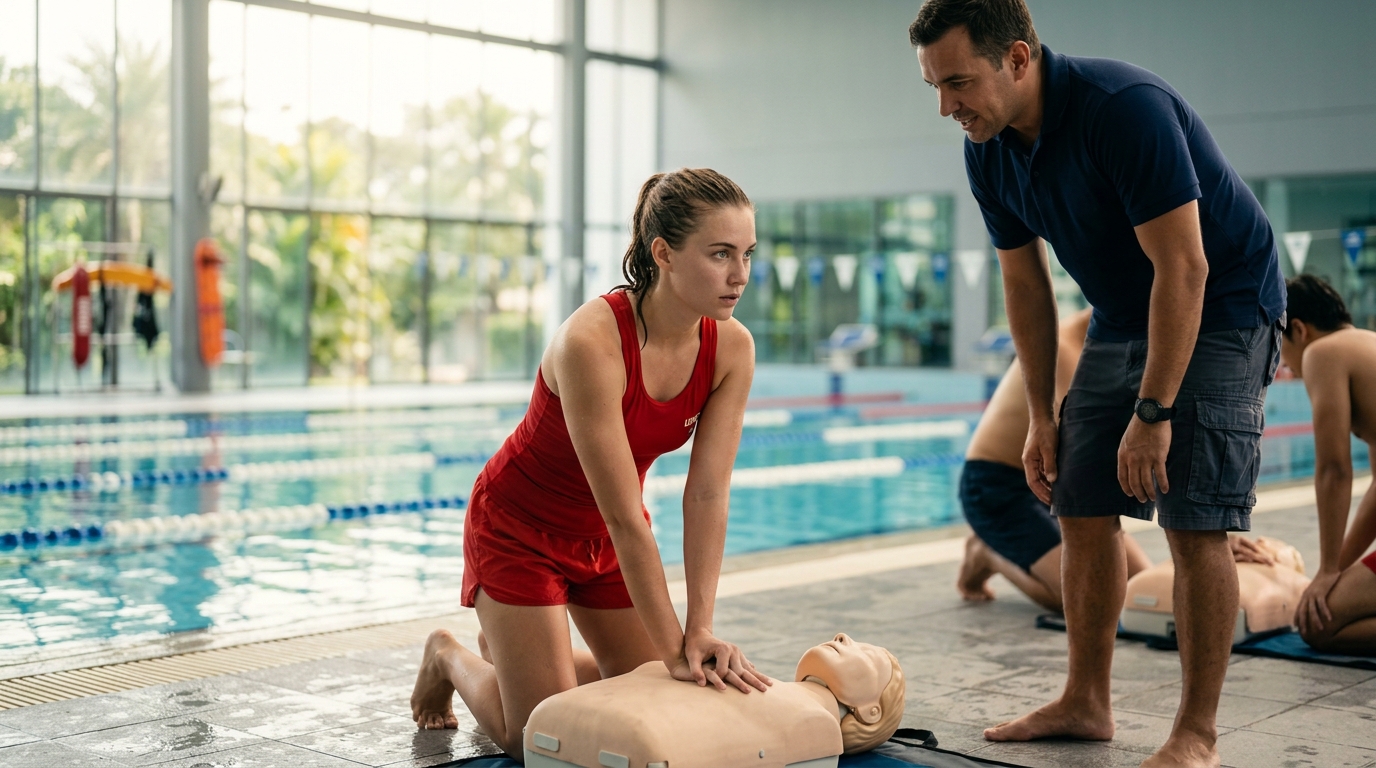
Emergency response times in aquatic environments are measured in seconds, not minutes. According to global health data, immediate intervention by a trained lifeguard can increase survival rates for drowning incidents by up to 50%. This statistic underscores why first aid training is not merely a bureaucratic requirement but a critical operational necessity for anyone protecting lives in water.
Why First Aid is Non-Negotiable for Lifeguards
Lifeguarding is often misunderstood as a role focused solely on swimming speed and vigilance. In reality, the core competency of a lifeguard is emergency medical response. When a patron is in distress, the window for effective treatment is narrow. Without proper first aid training, even the most athletic rescuer may fail to stabilize a victim before professional medical help arrives.
First aid training equips lifeguards with the technical skills to manage airway obstructions, cardiac arrest, and spinal injuries. It transforms a bystander into a confident first responder. In Thailand, where tourism drives a significant portion of the economy, the expectation for safety standards is high. Hotels, resorts, and public pools rely on certified staff to mitigate liability and ensure guest safety.
The legal framework surrounding Good Samaritan laws in Thailand also plays a role. While these laws protect those who act in good faith, they do not replace the need for competence. Proper training ensures that actions taken are within accepted medical protocols, reducing the risk of further injury to the victim.
International Standards and EFR Certification
Not all first aid courses are created equal. For lifeguards, the standard must align with international best practices. First Aid Training Bangkok stands as the only EFR Center in the region to be internationally recognized and awarded by EFR/PADI Asia Pacific. This accreditation ensures that the curriculum meets global benchmarks for emergency care.
Emergency First Response (EFR) is a leading provider of first aid and CPR training. Their protocols are designed specifically for lay responders and professionals alike. The training emphasizes high-quality, low-stress performance under pressure. This is crucial for lifeguards who must remain calm while executing complex medical procedures.
The curriculum includes both primary and secondary care. Primary care focuses on immediate life-threatening issues like breathing and circulation. Secondary care involves assessing injuries and illnesses that are not immediately life-threatening but require attention. This dual approach ensures comprehensive preparedness for any scenario.
Furthermore, the training is delivered by elite instructors with extensive backgrounds in medical fields. For instance, the team includes critical care nurses and paramedics who bring real-world experience to the classroom. This ensures that the theoretical knowledge is grounded in practical, field-tested application.
Comparing Lifeguard Training Pathways
Choosing the right course depends on your current certification level and specific operational needs. First Aid Training Bangkok offers a range of options tailored to different requirements. Below is a comparison of the most relevant pathways for aspiring and current lifeguards.
| Course Type | Target Audience | Key Focus Areas | Starting Price (THB) |
|---|---|---|---|
| Lifeguard Training | Aspiring Lifeguards | Water rescue, patient assessment, CPR/AED | 10,800฿ |
| Primary & Secondary Care | Current Staff | Advanced first aid, trauma management | 4,900฿ |
| CPR and AED Certification | General Public | Basic life support, AED usage | 2,900฿ |
| Stop the Bleed | Specialized Teams | Hemorrhage control, tourniquet application | Contact for Price |
The dedicated Lifeguard Training course is the most comprehensive option. It integrates water rescue techniques with medical response protocols. This holistic approach ensures that lifeguards are prepared for both the physical and medical aspects of their role.
For those already certified, the Primary & Secondary Care course offers a refresher on advanced first aid skills. This is particularly useful for maintaining currency in certifications and updating knowledge on the latest medical guidelines.
Operational Benefits of Advanced Care
Investing in high-quality first aid training yields significant operational benefits for organizations. First, it enhances the reputation of the facility. Guests and patrons are more likely to trust and return to venues that demonstrate a commitment to safety.
Second, it reduces liability risks. In the event of an incident, having staff who followed standardized protocols can protect the organization from legal repercussions. This is especially important in Thailand, where tourism regulations are strict regarding safety standards.
Third, it boosts staff confidence. Lifeguards who feel competent in their medical skills are more effective in their daily duties. They can anticipate risks and respond with precision, rather than hesitation. This confidence translates to a safer environment for everyone.
Additionally, the training fosters a culture of safety. When lifeguards are trained in first aid, they often become advocates for safety within their communities. They share knowledge with colleagues and patrons, raising the overall standard of emergency preparedness.
Key Takeaways
- First aid training is essential for lifeguards to manage medical emergencies effectively and save lives.
- International standards matter, with EFR certification providing globally recognized protocols for emergency care.
- Comprehensive courses like the Lifeguard Training program integrate water rescue with medical response skills.
- Operational benefits include enhanced reputation, reduced liability, and increased staff confidence.
- Elite instructors with medical backgrounds ensure high-quality, practical training delivery.
- Accreditation from EFR/PADI Asia Pacific validates the quality of the training provided.
- Continuous education is vital, with refresher courses available to maintain certification currency.
Frequently Asked Questions
Is first aid training legally required for lifeguards in Thailand?
While specific legal requirements can vary by province and facility type, most reputable hotels, resorts, and public pools in Thailand mandate certified first aid and CPR training for all lifeguard staff to ensure compliance with safety standards.
What is the difference between CPR and First Aid training?
CPR (Cardiopulmonary Resuscitation) focuses specifically on restoring breathing and circulation in cardiac arrest victims. First aid training is broader, covering CPR along with the treatment of injuries, illnesses, and trauma such as bleeding, fractures, and shock.
How often should lifeguards renew their certifications?
Most international standards, including those from EFR and the Red Cross, recommend renewing CPR and First Aid certifications every two years. However, some organizations may require annual refreshers to ensure skills remain sharp.
Does First Aid Training Bangkok offer on-site training?
Yes, they provide on-site CPR and first aid training at your location in and around Bangkok, as well as throughout Thailand. This is ideal for corporate groups and facilities that need to train multiple staff members efficiently.
What is the Emergency First Response (EFR) program?
Emergency First Response is a leading provider of first aid and CPR training. It offers protocols designed for lay responders and professionals, emphasizing high-quality performance under pressure and aligning with international medical guidelines.
Are the instructors medically qualified?
Yes, the instructor team includes medical doctors, flight nurses, and critical care nurses. Their professional backgrounds ensure that the training is grounded in current medical best practices and real-world experience.
Can I take the training online?
First Aid Training Bangkok offers "LIVE" online CPR certification training options. This combines online eLearning theory with in-person hands-on training, providing flexibility for those who cannot attend traditional classroom sessions.
Secure Your Certification Today
Do not leave safety to chance. Equip yourself or your team with the skills that save lives. Contact First Aid Training Bangkok to schedule your Lifeguard Training or First Aid Course today. Visit our Contact Us page to get started.