
Tailoring Onsite CPR and First Aid Training to Your Company's Needs
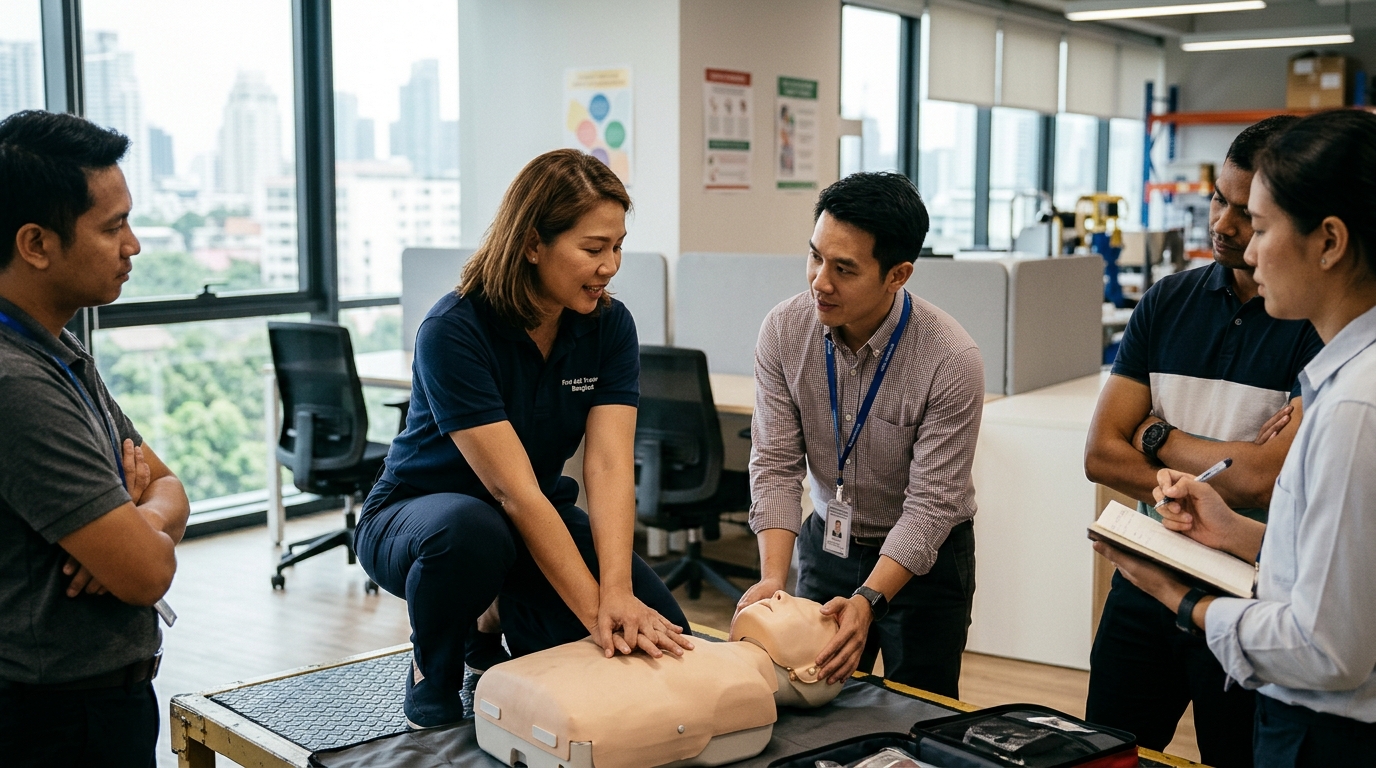
Companies tailor onsite CPR and first aid training by customizing the curriculum to match specific workplace hazards, employee roles, and regulatory requirements. First Aid Training Bangkok designs these programs to ensure staff can respond confidently to realistic emergencies. This approach moves beyond generic instruction, focusing on practical skills that directly apply to your daily operations and safety protocols.
Assessing Workplace Hazards and Employee Roles
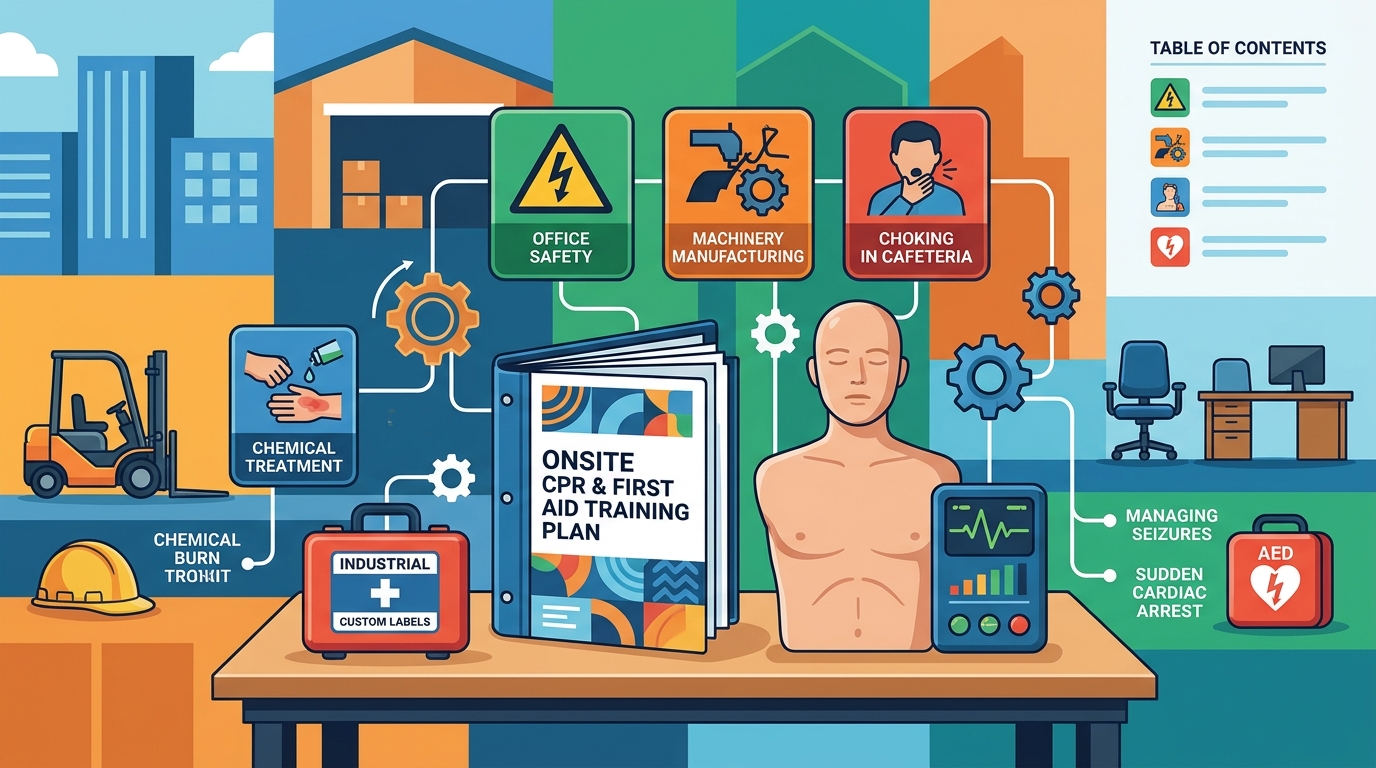
Effective training begins with a thorough risk assessment. You must identify the specific injuries and illnesses likely to occur in your environment. For example, a construction firm faces different risks than a corporate office. Construction sites may involve falls, heavy machinery, and severe bleeding, while offices might see slips, falls, or medical events like heart attacks. By mapping these risks, you can prioritize the skills your employees need most. This ensures that the training is relevant and immediately applicable.
Employee roles also dictate the depth of training required. Frontline workers may need more extensive hands-on practice than administrative staff. First Aid Training Bangkok evaluates these roles to determine the appropriate level of care, whether it is basic first aid or advanced CPR with AED use. This targeted approach maximizes the return on investment for your safety budget.
Customizing Curriculum Content and Duration
Standardized courses often include modules that may not apply to every workplace. Tailoring the curriculum allows you to focus on high-priority skills. For instance, if your facility has an Automated External Defibrillator (AED), your staff must be trained on its specific location and usage. You can also include modules on choking, shock management, or spinal injury immobilization based on your risk profile. This customization ensures that every minute of training is spent on skills your team will actually use. according to Training material for
The duration of the training should also align with your operational constraints. Some companies prefer a condensed, high-intensity session, while others benefit from a longer, in-depth workshop. First Aid Training Bangkok offers flexible scheduling options, including on-site training at your premises. This flexibility minimizes disruption to your business while ensuring comprehensive coverage. By adjusting the pace and content, you create a learning environment that respects your employees' time and workload.
Integrating Local Regulations and Emergency Protocols
Compliance with local safety regulations is a critical component of workplace training. In Thailand, employers must ensure that their staff are prepared to handle medical emergencies. This includes knowing how to activate local Emergency Medical Services (EMS) by calling 191 or 1669. Training should explicitly cover these local protocols to ensure a seamless handover to professional responders. Understanding the legal responsibilities under Good Samaritan laws also helps employees feel confident in providing aid without fear of liability.
Integrating your company's specific emergency action plan into the training is equally important. Employees should know the location of first aid kits, AEDs, and emergency exits. They should also understand the chain of command during an incident. By aligning the training with your internal protocols, you create a cohesive safety culture. This integration ensures that when an emergency occurs, the response is coordinated and efficient.
Utilizing Practical Scenarios and Hands-On Practice
Theoretical knowledge is insufficient for emergency response. Practical, scenario-based training is essential for building muscle memory and confidence. First Aid Training Bangkok uses realistic simulations to prepare students for the stress of a real emergency. For example, a scenario might involve a coworker collapsing in a confined space, requiring the trainee to assess the scene, perform CPR, and manage the environment. These simulations help employees overcome hesitation and act decisively.
Hands-on practice with equipment is another key element. Employees should have the opportunity to practice using bandages, splints, and AEDs under supervision. This practical experience ensures that they are comfortable with the tools they will use in an emergency. The performance-based nature of the training means that students must demonstrate competence before receiving certification. This ensures that every participant is truly prepared to save a life.
Measuring Effectiveness and Maintaining Competence
Training is not a one-time event. Regular refresher courses are necessary to maintain competence and update skills with the latest guidelines. First Aid Training Bangkok provides ongoing support to help your organization track certification expiration dates and schedule retraining. This continuous approach ensures that your workforce remains prepared over time. You can also use post-training assessments to measure the effectiveness of the program and identify areas for improvement.
Feedback from employees is also valuable. Surveys and debriefs after training sessions can reveal what worked well and what needs adjustment. This feedback loop allows you to refine future training programs to better meet your company's evolving needs. By measuring effectiveness and maintaining competence, you build a resilient safety culture that protects your people and your business. according to OSHA guidelines for
Key Takeaways
- Conduct a risk assessment to identify specific workplace hazards and tailor the curriculum accordingly.
- Customize training content to focus on high-priority skills relevant to your employees' roles.
- Integrate local emergency protocols, such as calling 191 or 1669, into the training modules.
- Use practical, scenario-based simulations to build confidence and muscle memory in employees.
- Schedule regular refresher courses to maintain competence and update skills with current guidelines.
- Measure training effectiveness through assessments and employee feedback to improve future programs.
Frequently Asked Questions
How long does onsite CPR and first aid training take?
The duration varies based on the scope of the curriculum. A basic CPR and AED course may take 3.5 hours, while a comprehensive first aid and CPR course can take up to 8 hours. First Aid Training Bangkok offers flexible scheduling to fit your operational needs.
Can the training be conducted in both English and Thai?
Yes, First Aid Training Bangkok provides courses in both English and Thai. This ensures that all employees, regardless of their primary language, can understand and perform the necessary skills.
What is the validity period of the certification?
Certificates are internationally recognized and valid for 24 months from the date of training. Regular refresher courses are recommended to maintain competence and ensure compliance with safety standards.
Do you provide training for large groups?
Yes, we offer corporate training for groups of various sizes. We can customize the number of instructors and sessions to accommodate your workforce efficiently.
Is online training an option?
While online theory components may be available, hands-on skills verification is required for full certification. First Aid Training Bangkok emphasizes practical, in-person training to ensure competence.
Conclusion
Tailoring onsite CPR and first aid training to your company's specific needs is a strategic investment in your workforce's safety. By assessing risks, customizing content, and integrating local protocols, you create a prepared and confident team. First Aid Training Bangkok is dedicated to empowering people to save lives through realistic and rewarding training experiences. To plan your visit, to discuss your training needs and receive a customized quote.