
Corporate safety compliance is no longer just a checkbox exercise. According to recent industry analyses, organizations that implement rigorous, high-fidelity emergency response training see a measurable reduction in workplace liability and an increase in employee confidence during critical incidents. In Thailand, where the regulatory landscape for occupational health is evolving, companies must look beyond basic certification to ensure their staff are truly prepared. This guide outlines the non-negotiable quality standards for corporate CPR training programs, ensuring your organization meets both international best practices and local legal requirements. (Contact First Aid Training)
Why Quality Standards Matter in Corporate Safety
First Aid is the immediate assistance given to any person suffering from either a minor or serious illness or injury. The quality of this assistance determines the outcome. In a corporate environment, the gap between a cardiac arrest and professional medical arrival can be the difference between life and death. Poorly trained responders often hesitate or perform techniques incorrectly, reducing survival rates significantly. (First Aid training and)
High-quality training programs do more than teach chest compressions. They instill the psychological readiness to act. Companies that prioritize these standards demonstrate a commitment to employee welfare, which is crucial for retention and corporate reputation. Furthermore, adhering to strict quality benchmarks helps organizations comply with Thailand's Occupational Safety, Health and Environment Act. This legal framework mandates that employers provide adequate safety training to protect workers from hazards, including medical emergencies. (First Aid training and)
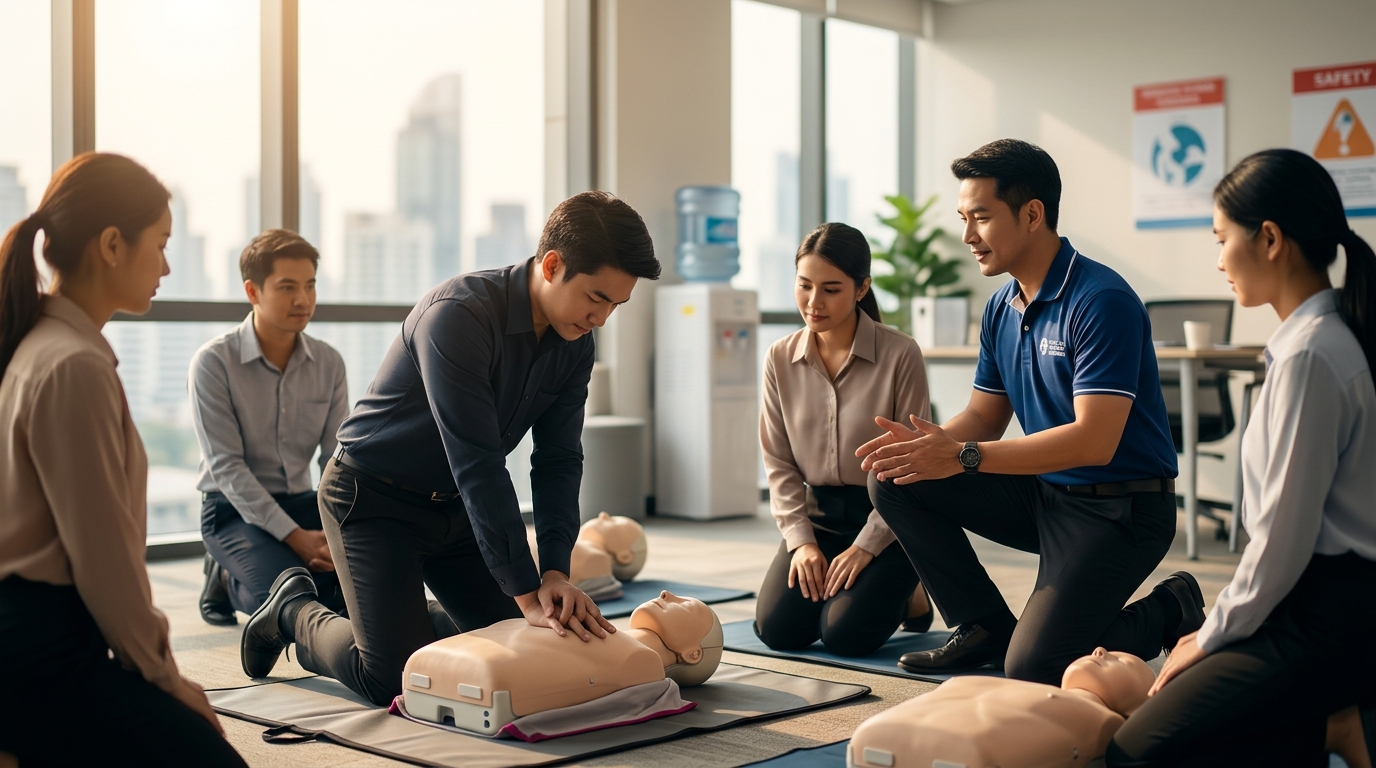
When evaluating training providers, look for those that emphasize realistic scenarios. Standard lectures fail to prepare individuals for the stress of a real emergency. Effective programs use high-fidelity manikins and simulated environments to build muscle memory. This approach ensures that when a crisis occurs, the response is automatic and effective. (Articles Learn Lifesaving Skills)
Accreditation and International Recognition
Not all CPR certificates are created equal. The gold standard for corporate training involves accreditation from globally recognized bodies. In the Asia Pacific region, the Emergency First Response (EFR) system, affiliated with PADI, is a leading authority. EFR provides standardized protocols that are updated regularly based on the latest scientific evidence from the International Liaison Committee on Resuscitation (ILCOR).
Choosing a provider that is an authorized EFR center ensures that your training aligns with international best practices. This is particularly important for multinational corporations operating in Thailand. They need a consistent standard of care that is recognized globally. An EFR-certified program covers both CPR and First Aid, providing a comprehensive skill set for lay responders.
Additionally, look for providers that have a Medical Advisory Board. This board consists of medical professionals who review and update the curriculum regularly. This ensures that the training reflects the most current guidelines for airway management, bleeding control, and AED usage. Without this oversight, training materials can become outdated, leaving employees with ineffective techniques.
Instructor Expertise and Medical Advisory
The quality of training is directly tied to the expertise of the instructors. Elite instructors bring more than just certification to the classroom. They often have backgrounds in critical care, military special operations, or law enforcement. This real-world experience allows them to teach not just the "how" but the "why" of emergency response.
For example, instructors with a background in Tactical Combat Casualty Care (TCCC) can teach advanced bleeding control techniques that are increasingly relevant in corporate security contexts. Similarly, those with medical degrees can provide deeper insights into physiological responses to trauma. This level of expertise transforms a standard course into a high-impact learning experience.
When vetting providers, ask about the instructor's credentials. Do they hold the EFR Instructor Trainer rating? This is a higher-level certification that allows them to train other instructors, indicating a deep mastery of the subject matter. Also, inquire about their experience in corporate settings. Instructors who understand corporate dynamics can tailor their teaching style to engage office workers, ensuring the training is both informative and engaging.
Curriculum Depth and Practical Application
A high-quality corporate CPR program must cover a wide range of scenarios. It should not be limited to adult CPR. It must include pediatric and infant care, as employees may encounter colleagues or visitors of all ages. The curriculum should also address common workplace injuries, such as choking, burns, and allergic reactions.
Emergency Oxygen Provider training is another critical component. Many corporate environments, especially those in remote locations or with high-risk activities, should have oxygen available. Training staff to use oxygen tanks and accessories correctly can stabilize a patient before EMS arrives. This skill is often overlooked in basic courses but is vital for comprehensive safety.
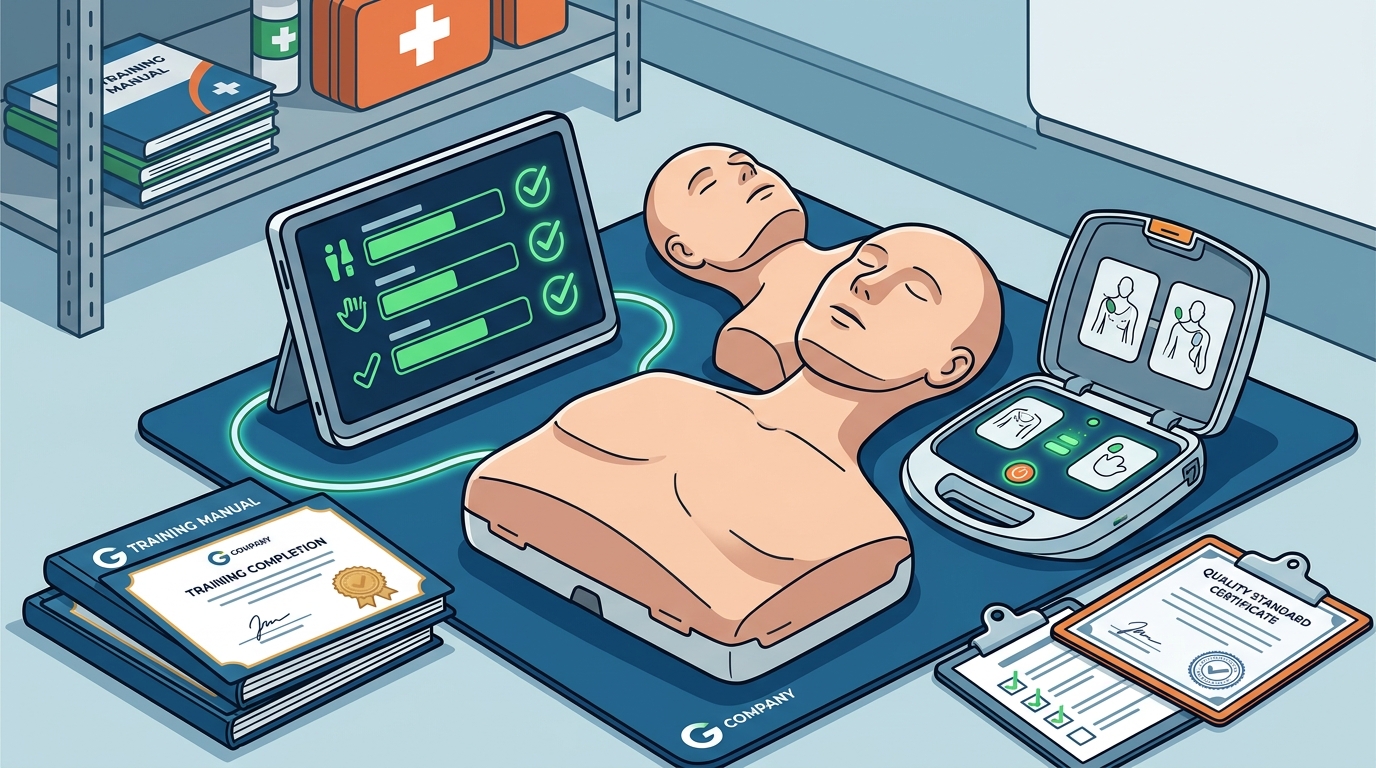
Practical application is the cornerstone of effective learning. Students must practice on high-quality manikins that provide feedback on compression depth and rate. This technology ensures that learners are performing compressions correctly, which is essential for maintaining blood flow during cardiac arrest. The ratio of practice time to lecture time should be heavily weighted toward hands-on skills.
Delivery Methods: On-Site vs. Hybrid
Flexibility in delivery is a key quality standard for corporate training. Providers should offer multiple options to accommodate different schedules and locations. On-site training is often preferred for corporate clients because it minimizes downtime and allows for customized scenarios relevant to the specific workplace.
Hybrid models, combining online eLearning theory with in-person practical sessions, are also gaining popularity. This approach allows employees to learn the theoretical concepts at their own pace before gathering for hands-on practice. It can be more cost-effective and efficient for large organizations.
Regardless of the delivery method, the quality of the practical component must remain high. Online theory cannot replace the tactile feedback of performing CPR on a manikin. Ensure that the provider offers robust in-person sessions with adequate equipment for all participants. The goal is to ensure that every employee leaves with the confidence and competence to act.
Comparing Training Providers
When selecting a provider, it is helpful to compare key features. The table below outlines the typical offerings of a premium corporate training provider versus a basic option.
| Feature | Premium Corporate Provider | Basic/Standard Provider |
|---|---|---|
| Accreditation | EFR/PADI Asia Pacific Certified | Local or Unspecified |
| Instructor Background | Medical/Military/Critical Care | Standard CPR Certification |
| Curriculum Scope | CPR, AED, Oxygen, Bleeding Control | Adult CPR Only |
| Equipment | High-Fidelity Feedback Manikins | Standard Manikins |
| Customization | On-Site, Scenario-Based | Fixed Classroom Format |
| Support | Medical Advisory Board | None |
Key Takeaways
- Accreditation is Critical: Ensure your provider is an authorized EFR center recognized by PADI Asia Pacific for international standards.
- Instructor Expertise: Look for instructors with backgrounds in critical care, military, or law enforcement for high-fidelity training.
- Comprehensive Curriculum: Training must include adult, pediatric, and infant CPR, as well as AED and oxygen provider skills.
- Practical Focus: High-quality programs prioritize hands-on practice with feedback manikins over lecture time.
- Legal Compliance: Adhering to these standards helps meet Thailand's Occupational Safety, Health and Environment Act requirements.
- Flexible Delivery: On-site and hybrid options ensure minimal disruption to business operations.
- Medical Advisory: Providers with a Medical Advisory Board ensure curriculum updates reflect the latest scientific evidence.
Frequently Asked Questions
What is the difference between basic CPR and corporate CPR training?
Basic CPR focuses on adult cardiac arrest. Corporate training is comprehensive, including pediatric care, AED usage, bleeding control, and oxygen administration, tailored to workplace risks.
Is EFR certification recognized in Thailand?
Yes, EFR certification is internationally recognized and highly regarded in Thailand, especially for companies with international operations or those adhering to global safety standards.
How often should corporate CPR training be renewed?
Most international guidelines recommend renewal every two years. However, frequent refreshers are encouraged to maintain skill retention and confidence.
Can training be conducted on-site in Bangkok?
Yes, many premium providers offer on-site training throughout Bangkok and Thailand, minimizing downtime and allowing for customized scenarios.
What is the role of a Medical Advisory Board?
A Medical Advisory Board reviews and updates training protocols to ensure they align with the latest medical evidence and international guidelines.
Do you offer oxygen provider training?
Yes, Emergency Oxygen Provider training is available and is crucial for stabilizing patients before EMS arrival in corporate environments.
What equipment is used during training?
High-quality providers use high-fidelity manikins that provide real-time feedback on compression depth and rate, ensuring accurate skill development.
Secure Your Corporate Safety Standards
Investing in high-quality CPR training is an investment in your company's most valuable asset: its people. By adhering to these essential quality standards, you ensure that your employees are prepared to save lives. Contact First Aid Training Bangkok today to schedule a consultation and elevate your corporate safety program.