

First Aid Training Bangkok provides CPR and first aid training for individuals and organizations in Bangkok, Thailand. This guide covers course delivery formats and certification options. You will learn how to select the right certification path for your specific needs.
AHA Certification Standards
Many international organizations and employers in Thailand recognize standards aligned with the American Heart Association (AHA). While First Aid Training Bangkok operates under the Emergency First Response (EFR) framework, the curriculum closely mirrors AHA guidelines for Basic Life Support (BLS). This alignment ensures that skills learned are transferable and widely understood by medical professionals globally.
Understanding the EFR Framework
Emergency First Response is a training system developed by PADI. It focuses on practical, hands-on skills for lay responders. The EFR curriculum is designed to be intuitive and effective, even in high-stress situations. Students learn to assess a scene, manage airways, and perform chest compressions with high quality.
Why International Standards Matter
Expatriates and international schools in Bangkok often require staff to hold certifications that meet international benchmarks. AHA-aligned training provides a common language for emergency response. This is particularly important in multi-national workplaces where protocols must be consistent across different nationalities.
| Standard | Primary Focus | Typical Audience |
|---|---|---|
| AHA BLS | Healthcare Provider CPR | Hospitals, Clinics |
| EFR (PADI) | Lay Responder Skills | Schools, Corporates, Public |
| Thai Red Cross | National First Aid | Thai Citizens, Local Gov |
First Aid Training Bangkok ensures that all instructors are trained to deliver these high-standard curricula. The focus remains on building confidence and competence in real-world scenarios. This approach helps participants feel prepared to act when seconds count.
Thai National Certification
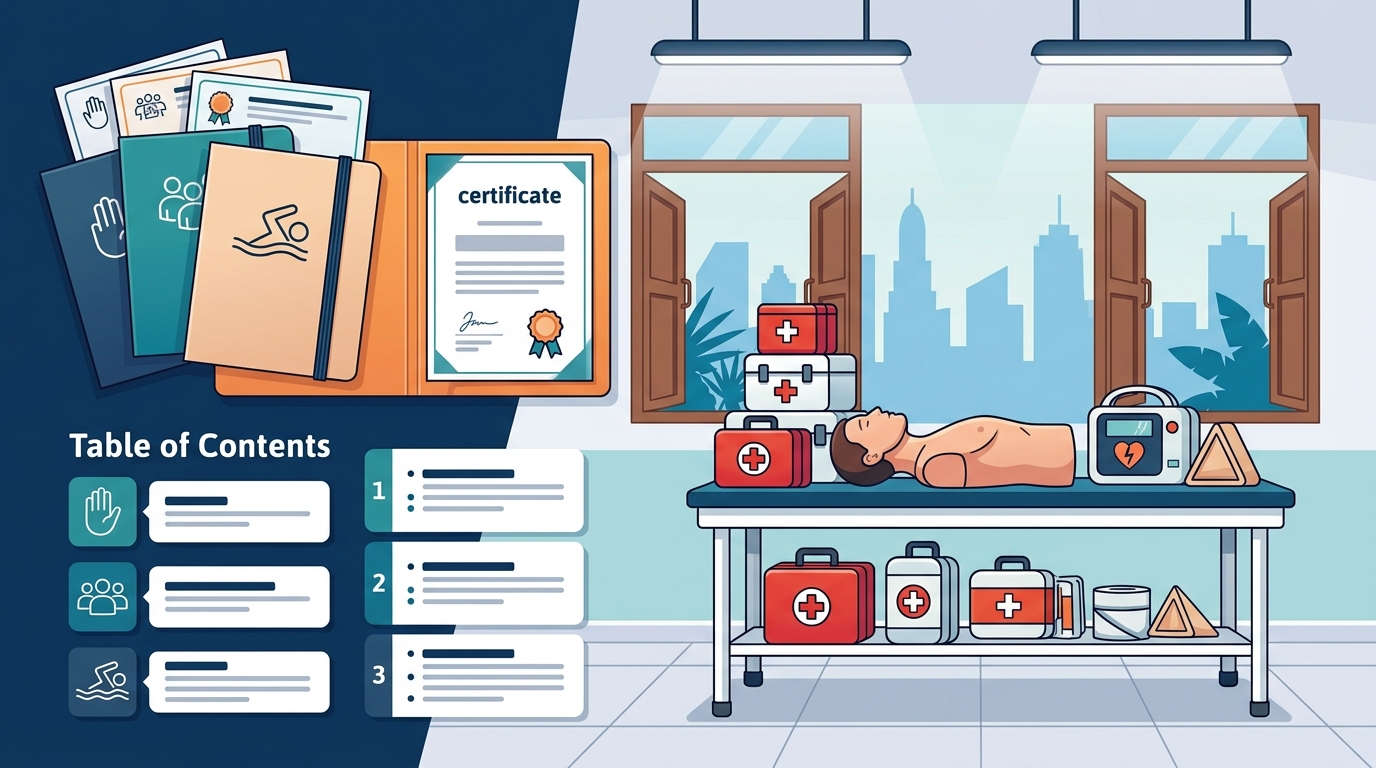
For those working within the Thai legal and regulatory framework, understanding local certification requirements is essential. The Thai Red Cross Society is the primary body for national first aid certification. However, many international businesses in Bangkok opt for private providers that offer globally recognized certificates.
Legal and Workplace Requirements
Thai labor laws encourage workplaces to have trained first aiders. While specific mandates can vary by industry, having certified staff is a best practice for risk management. Employers often look for proof of training that is valid and recognized by their insurance providers or international headquarters.
Recognition of Private Certificates
Certificates from private providers like First Aid Training Bangkok are widely accepted in the private sector. These certificates often include a validity period, which aligns with international recertification standards. This makes them a practical choice for companies that need to maintain compliance without navigating complex local bureaucratic processes.
It is important to note that while private certificates are recognized by employers, they may not always be interchangeable with government-issued licenses for specific medical roles. Always check with your specific employer or regulatory body to confirm which certificate they require.
Course Delivery Formats
First Aid Training Bangkok offers flexible delivery options to suit different schedules and group sizes. Whether you are an individual seeking personal safety skills or a corporation looking to train an entire office, there is a format that fits your needs.
Individual and Group Classes
Open enrollment classes are available for individuals who want to learn at their own pace. These sessions are typically held in Bangkok and cover the core skills of CPR, AED use, and basic first aid. Group classes allow friends, families, or small teams to train together, which can enhance the learning experience through peer interaction.
Corporate On-Site Training
For larger organizations, on-site training is the most efficient option. Instructors bring all necessary equipment, including manikins and AED trainers, directly to your office. This minimizes disruption to your daily operations. Corporate courses can be customized to address specific workplace hazards, such as electrical safety or chemical exposure.
Online and Hybrid Options
While hands-on practice is critical for CPR, some theoretical components can be completed online. First Aid Training Bangkok offers live online classes for certain modules. This hybrid approach allows participants to complete the cognitive portion of the course from home before attending a shorter in-person skills session. This flexibility is ideal for busy professionals who travel frequently.
When choosing a format, consider your learning style and schedule. Hands-on practice is non-negotiable for muscle memory, but the theoretical background can be flexible. Ensure that any online component is supplemented by practical assessment to maintain certification validity.
Key Takeaways
- First Aid Training Bangkok provides EFR-based training that aligns with international AHA standards.
- Certificates are generally valid for a set period, requiring periodic recertification.
- Corporate on-site training is available for offices in Bangkok and across Thailand.
- Thai national certification via the Red Cross is an alternative for specific local roles.
- Always verify which specific certificate your employer or industry requires.
- Hands-on practice with manikins and AEDs is essential for skill retention.
Frequently Asked Questions
Is CPR certification in Bangkok recognized internationally?
Yes, certificates from providers using international frameworks like EFR are widely recognized by global employers and schools. They align with major guidelines such as those from the AHA.
How long does a CPR course take to complete?
Most standard CPR and first aid courses are completed in one day. The duration depends on the specific curriculum and the number of participants in the class.
Do I need prior medical experience to take a course?
No, these courses are designed for laypeople. No prior medical experience is required. The training is structured to be accessible to beginners.
Can I get a certificate if I only learn online?
Generally, no. While theory can be learned online, certification requires a hands-on skills assessment with an instructor to ensure you can perform CPR correctly.
What is the difference between CPR and First Aid?
CPR focuses specifically on cardiac arrest. First Aid covers a broader range of injuries and illnesses, including bleeding, burns, and choking. Most courses combine both skills.
How often should I recertify my CPR skills?
It is recommended to recertify periodically. Skills can fade over time, and guidelines may be updated. Regular practice keeps you confident and competent.
Conclusion
Choosing the right CPR and first aid certification in Bangkok depends on your specific professional and personal needs. First Aid Training Bangkok offers a robust solution with internationally aligned standards and flexible delivery formats. By understanding the differences between AHA-aligned and Thai national certifications, you can make an informed decision. Whether you are an individual or a corporate entity, investing in these life-saving skills is a responsible step. To begin your training journey, contact the provider to discuss your requirements.