
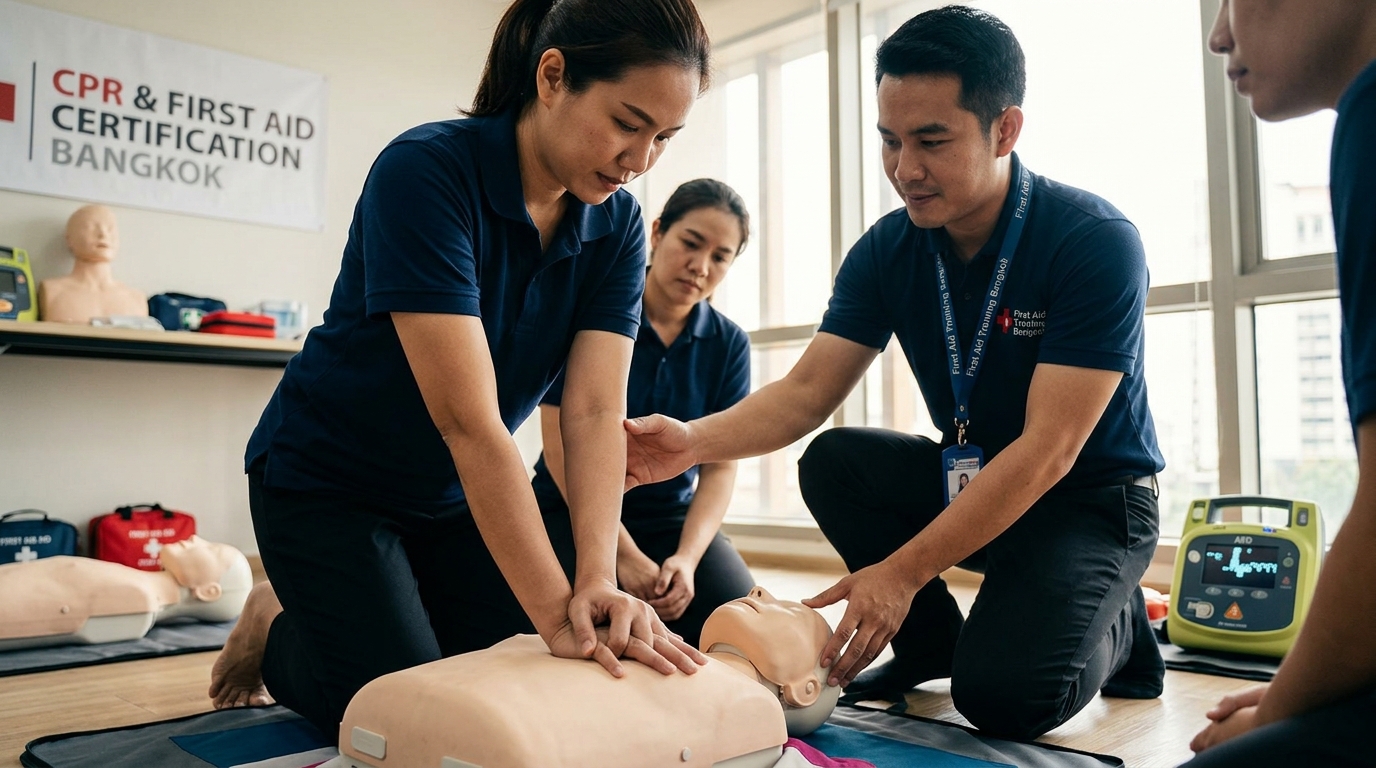
Cardiac arrest is a leading cause of death globally, yet immediate intervention can double or triple survival rates. According to the World Health Organization, cardiovascular diseases remain the primary cause of mortality worldwide, making basic life support skills essential for public safety. In Thailand, the demand for certified first responders has surged as corporate compliance and personal safety awareness grow. This guide details how to obtain internationally recognized CPR certification in Bangkok through First Aid Training Bangkok, the region's premier provider since 2009.
What is CPR and Why It Matters
Cardiopulmonary Resuscitation (CPR) is an emergency lifesaving procedure performed when the heart stops beating. It is designed to manually preserve intact brain function until further measures are taken to restore spontaneous blood circulation and breathing in a person who is in cardiac arrest. The urgency of this intervention cannot be overstated. Brain damage can occur within minutes without oxygen, making the first few minutes critical.
First Aid Training Bangkok operates as the only EFR Center to be internationally recognized and awarded by EFR/PADI Asia Pacific. This distinction ensures that all training follows the latest international standards set by global health organizations. Their instructors, including EFR Instructor Trainer Scott and Critical Care Nurse David, bring military and medical expertise to every session. This background ensures that students receive realistic, high-fidelity training rather than just theoretical knowledge.
The goal of their mission is to empower people to save lives. By producing confident layperson responders, they help create a safer environment in Bangkok's schools, offices, and public spaces. The public health and safety guidelines in Thailand have improved tremendously since they started teaching first aid courses in Phuket around 15 years ago. This evolution reflects a broader regional commitment to emergency preparedness.
Choosing the Right Training Provider
Not all CPR courses are created equal. When selecting a provider in Bangkok, you must verify their accreditation and instructor qualifications. First Aid Training Bangkok stands out because they have their own Medical Advisory Board to ensure the latest "First Responder" skills are being delivered. This board includes medical doctors and critical care nurses who review protocols regularly.
Look for providers that offer both online eLearning theory and in-person hands-on training. This hybrid approach allows for flexible scheduling while ensuring practical competency. The provider should also offer on-site training for corporate clients, bringing the expertise directly to your office or facility. This eliminates logistical barriers and ensures higher attendance rates for mandatory safety training.
Check for international recognition. Certificates from providers like First Aid Training Bangkok are recognized globally, which is crucial for expatriates, dive professionals, and multinational corporations. The provider should also have a proven track record, with over 20,000 satisfied clients and more than 17,000 happy clients having completed their courses. This volume of training indicates reliability and operational excellence.
Corporate vs. Individual Course Options
Training needs vary significantly between individuals seeking personal certification and corporations requiring compliance. First Aid Training Bangkok offers distinct pathways for both groups. Understanding these differences helps you choose the right program for your specific needs.
For individuals, the focus is on practical skills for everyday emergencies. The Primary & Secondary Care course covers CPR, AED usage, and choking relief. This is ideal for parents, teachers, and travelers. For corporate clients, the training is tailored to workplace safety regulations. The Corporate CPR First Aid Training ensures that staff can respond effectively to office emergencies, reducing liability and enhancing workplace safety culture.
Specialized courses are also available for specific industries. Lifeguard training is essential for aquatic facilities, while Tactical Combat Casualty Care (TCCC) is designed for military and law enforcement personnel. These specialized tracks ensure that the training is relevant to the specific risks faced by the participants.
Pricing and Investment Breakdown
Investing in CPR certification is an investment in public safety. The cost varies based on the depth of the course and the format. Below is a summary of the typical pricing structure for services in Bangkok.
| Course Type | Description | Starting Price (THB) |
|---|---|---|
| Individual CPR & AED | Primary & Secondary Care with certificate | 2,900 |
| Individual Full Course | Primary & Secondary Care with AED | 4,900 |
| Corporate Training | Workplace First Aid & CPR | 8,900 |
| Lifeguard Training | Comprehensive aquatic safety certification | 10,800 |
| Instructor Training | Train the Trainer certification | 19,800 |
Corporate packages often include customized scenarios and on-site delivery, which can affect the final price. It is advisable to contact the provider directly for a quotation tailored to your group size and specific requirements. The investment is minimal compared to the potential value of a life saved.
The Certification Process
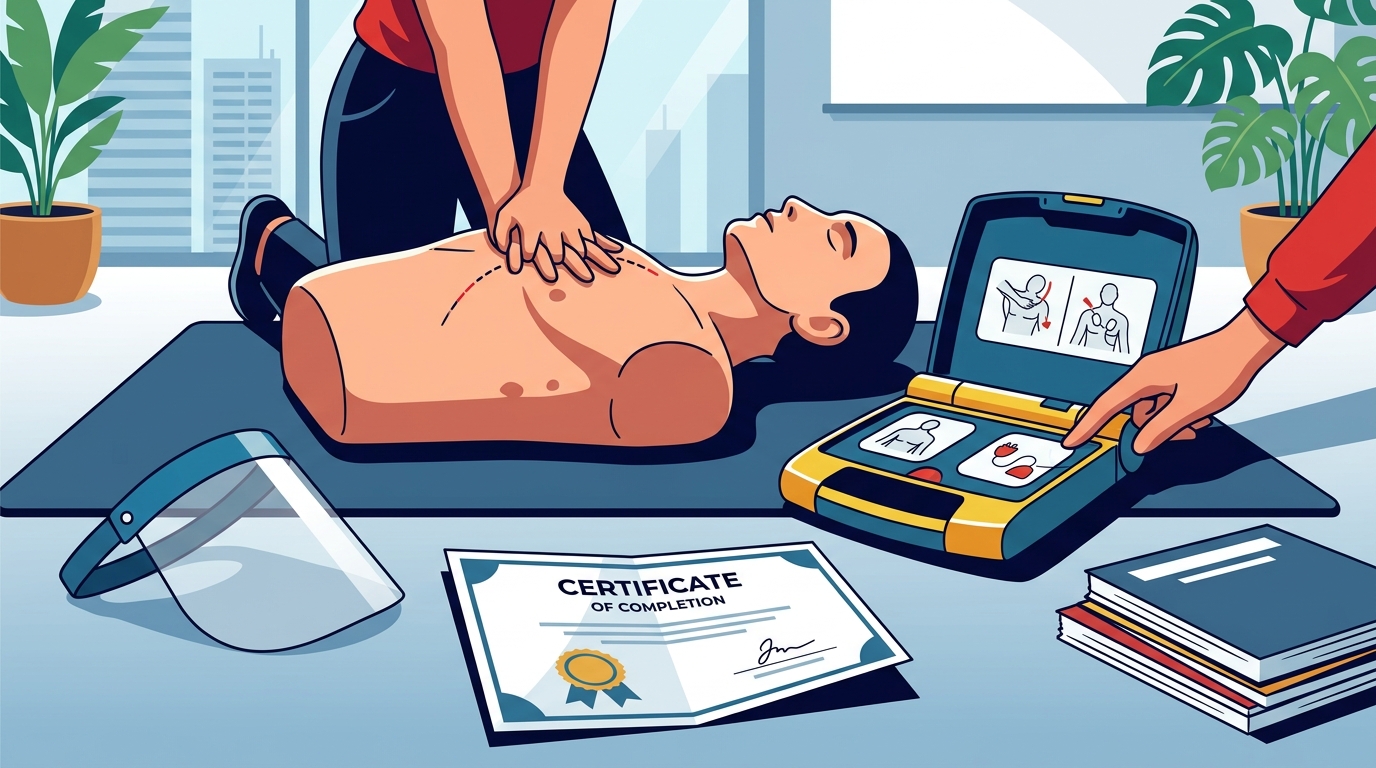
The certification process is designed to be rigorous yet accessible. It begins with the theoretical component, which can be completed online. This allows students to learn the protocols at their own pace. The in-person session focuses on hands-on practice with manikins and AED trainers.
Instructors evaluate each student's performance to ensure competency. This includes correct hand placement, compression depth, and rate. The evaluation is immediate, providing feedback that reinforces learning. Upon successful completion, students receive an internationally recognized certificate. This certificate is valid for a specific period, typically two years, after which renewal is required.
For those interested in teaching, the First Aid Instructor Training course provides the tools to become an EFR Instructor Trainer. This advanced track requires a deep understanding of the material and the ability to teach others. It is a significant career advancement for medical professionals and safety officers.
Frequently Asked Questions
How long does a CPR course take?
Most individual CPR courses take approximately one day to complete. This includes both the theoretical and practical components. Corporate training can be scheduled over half-day or full-day blocks depending on the group size.
Is the CPR certificate valid internationally?
Yes, certificates issued by First Aid Training Bangkok are internationally recognized. They follow the guidelines set by the Emergency First Response (EFR) organization, which is affiliated with PADI Asia Pacific. This recognition is valuable for expatriates and professionals working globally.
Can I get CPR training at my office?
Absolutely. First Aid Training Bangkok offers on-site training for corporate clients. This service is available throughout Bangkok and Thailand. On-site training reduces disruption to work schedules and ensures that all staff members can participate easily.
What is the difference between CPR and First Aid?
CPR specifically addresses cardiac arrest and breathing cessation. First Aid is a broader term that includes CPR but also covers treatment for injuries, illnesses, and other medical emergencies. Most courses combine both to provide comprehensive emergency response skills.
Do you offer training for children?
Yes, there are specific Children First Aid Training emergency courses designed for parents and caregivers. These courses focus on common pediatric emergencies, such as choking and fever, alongside basic CPR techniques.
How often should I renew my CPR certification?
It is generally recommended to renew CPR certification every two years. However, regular practice is encouraged to maintain skill proficiency. Many professionals choose to take refresher courses annually to stay confident in their abilities.
What equipment is used during training?
Training utilizes high-fidelity CPR manikins and automated external defibrillators (AEDs). The equipment is regularly maintained and sanitized to ensure safety and realism. Students practice on the same types of devices they might encounter in real-life emergencies.
Book Your Training Today
Do not wait for an emergency to realize the importance of CPR skills. Take control of your safety and the safety of those around you by enrolling in a certified course. First Aid Training Bangkok offers flexible scheduling and expert instruction to meet your needs.
Contact them directly to schedule your training or request a corporate quotation. Visit their Contact Us page to get started. You can also explore their Courses catalog to find the right program for you. For more information about their mission and history, read their About Us page. To see their latest updates and articles, visit the Blog. You can also learn about their Accreditation and Association Organizations to verify their credentials.
Empower yourself to save lives. Book your CPR certification in Bangkok today.