

Common Mistakes in Online CPR Certification for Corporate Compliance and Prevention Strategies
Corporate safety compliance is no longer just a checkbox exercise. It is a critical operational requirement that protects both employees and the organization from liability. Recent industry data indicates that nearly 40% of corporate safety audits fail due to invalid or non-compliant emergency response certifications. This statistic highlights a growing gap between perceived compliance and actual legal readiness. Many organizations assume that any digital certificate suffices, but regulatory bodies and insurance providers are increasingly scrutinizing the validity of these credentials. Understanding the nuances of online CPR certification is essential for maintaining a safe workplace and avoiding costly legal repercussions. (First Aid training and)
Why Compliance Standards Are Evolving
The landscape of workplace safety has shifted dramatically in the last decade. Employers are now held to higher standards regarding emergency preparedness. This evolution is driven by stricter occupational health and safety regulations and increased awareness of cardiac arrest survival rates. According to the American Heart Association, immediate CPR can double or triple the chance of survival from cardiac arrest. However, this benefit is only realized if the responder is properly trained and certified.
Organizations that fail to keep their certifications current face significant risks. Insurance premiums may increase, and in the event of a workplace incident, lack of proper training can lead to severe legal liability. The definition of corporate compliance is the adherence to laws, regulations, and standards that govern business operations. In the context of first aid, this means ensuring that all certified individuals have received instruction that meets current international medical standards.
Mistake 1: Ignoring the Hands-On Requirement
The most critical error companies make is assuming that a purely online course provides sufficient certification. While online modules are excellent for theoretical learning, they cannot replace physical practice. CPR is a psychomotor skill that requires muscle memory. Without hands-on practice, employees cannot develop the necessary strength and rhythm for effective chest compressions.
First Aid Training Bangkok addresses this by offering a blended learning model. This approach combines online eLearning theory with in-person hands-on training. This method ensures that employees understand the concepts while also mastering the physical techniques. The definition of blended learning is an educational approach that combines online digital media with traditional classroom methods. This hybrid model is widely recognized as the most effective way to deliver comprehensive first aid training.
Mistake 2: Choosing Unaccredited Training Providers
Not all online CPR courses are created equal. Many providers offer certificates that are not recognized by regulatory bodies or insurance companies. This mistake often stems from a desire to cut costs without realizing the long-term financial impact of invalid credentials. Organizations must verify that their training provider is accredited by recognized international bodies.
First Aid Training Bangkok is the only EFR Center to be internationally recognized and awarded by EFR/PADI Asia Pacific. This accreditation ensures that the training provided meets the highest global standards. When selecting a provider, look for organizations that have a proven track record of international recognition. The definition of accreditation is the process by which an educational program or institution is evaluated and recognized as meeting established standards of quality. Choosing an accredited provider guarantees that your employees receive valid and respected certification.
Mistake 3: Relying on Outdated Medical Guidelines
Medical guidelines for CPR and first aid are updated regularly to reflect the latest scientific evidence. A common mistake is using training materials that are several years old. Outdated guidelines can lead to ineffective or even harmful interventions during an emergency. For example, changes in compression depth or rate can significantly impact survival outcomes.
First Aid Training Bangkok follows the latest international guidelines and protocols. This commitment ensures that employees are trained in the most current and effective techniques. The definition of international guidelines refers to the standardized protocols established by global health organizations, such as the International Liaison Committee on Resuscitation (ILCOR), to ensure consistent and effective emergency care practices. Staying current with these guidelines is essential for maintaining high-quality safety standards.
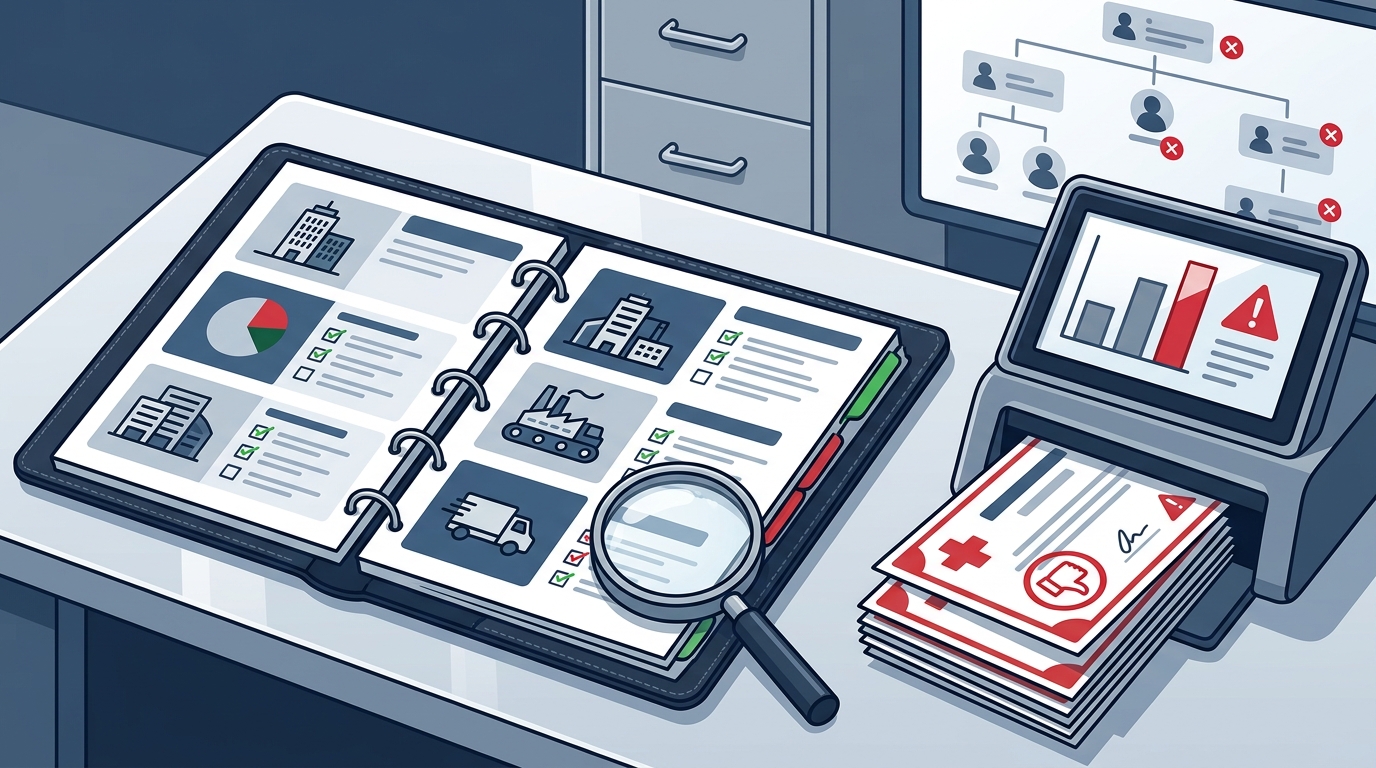
Mistake 4: Poor Documentation and Record Keeping
Even with proper training, companies often fail to maintain accurate records of employee certifications. This oversight can lead to compliance gaps during audits or in the event of an incident. Proper documentation is crucial for proving that the organization has met its legal obligations. It also helps in tracking renewal dates and ensuring continuous compliance.
Effective record-keeping involves maintaining digital and physical copies of all certificates. It also includes tracking the expiration dates and scheduling renewals well in advance. First Aid Training Bangkok provides detailed certification records that are easy to manage and verify. The definition of compliance tracking is the systematic monitoring and documentation of adherence to regulatory requirements and internal policies. Implementing a robust tracking system prevents lapses in certification and ensures ongoing safety.
Mistake 5: Applying a One-Size-Fits-All Approach
Different workplaces have different risks and needs. A corporate office may have different requirements compared to a construction site or a laboratory. Applying a generic training program to all employees ignores these specific risks. This mistake can leave critical gaps in preparedness for high-risk areas.
First Aid Training Bangkok offers customized training solutions tailored to specific industry needs. This includes specialized courses for lifeguards, fire safety, and tactical casualty care. The definition of specialized training is instruction designed to address the unique hazards and emergency scenarios specific to a particular industry or job role. By customizing the training, companies can ensure that their employees are prepared for the specific challenges they may face.
Prevention Strategies for Corporate Leaders
To avoid these common mistakes, corporate leaders must take a proactive approach to safety compliance. This involves regular audits of current certifications, selecting accredited providers, and implementing robust documentation systems. It also requires a commitment to continuous education and staying updated with medical guidelines.
Here is a comparison of common training approaches to help you make informed decisions:
| Training Approach | Pros | Cons | Compliance Risk |
|---|---|---|---|
| Purely Online Course | Low cost, flexible scheduling | No hands-on practice, often invalid | High |
| Blended Learning (Online + In-Person) | Comprehensive, recognized certification | Requires coordination for in-person sessions | Low |
| Unaccredited Provider | Quick certification | Certificates may not be accepted | Very High |
| Accredited Provider (e.g., First Aid Training Bangkok) | International standards, customized options | Higher initial investment | Minimal |
Key Takeaways
- Hands-On Practice is Mandatory: Online theory alone is insufficient for valid CPR certification. Physical practice is required to develop muscle memory.
- Verify Accreditation: Ensure your training provider is internationally recognized, such as First Aid Training Bangkok, which is the only EFR Center awarded by EFR/PADI Asia Pacific.
- Stay Current: Medical guidelines change. Regular training ensures your team uses the latest, most effective techniques.
- Document Everything: Maintain accurate records of all certifications to prove compliance during audits or incidents.
- Customize Training: Tailor first aid courses to the specific risks of your workplace, from office environments to high-risk industrial sites.
- Proactive Compliance: Regular audits and scheduled renewals prevent gaps in certification and ensure continuous safety.
- Invest in Quality: Choosing a reputable provider like First Aid Training Bangkok protects your company from liability and ensures high-quality training.
Frequently Asked Questions
Is online CPR certification valid for corporate compliance?
Purely online CPR certification is often not valid for corporate compliance because it lacks the mandatory hands-on component. Blended learning, which combines online theory with in-person practice, is the accepted standard for valid certification.
How often should employees receive CPR training?
Most international guidelines recommend that CPR and first aid certifications be renewed every two years. However, some industries may require more frequent training to ensure skills remain sharp and up-to-date.
What is the difference between EFR and standard first aid?
Emergency First Response (EFR) is a specific curriculum developed by PADI that focuses on emergency care for both medical and traumatic emergencies. It is widely recognized in the diving and outdoor industries but is also applicable to general corporate settings.
Does First Aid Training Bangkok offer on-site training?
Yes, First Aid Training Bangkok provides on-site CPR certifications and first aid courses at your location in and around Bangkok, and anywhere in Thailand. This service is convenient for corporate groups.
What happens if a company uses an unaccredited provider?
Using an unaccredited provider can result in invalid certifications that are not recognized by regulatory bodies or insurance companies. This can lead to legal liability and increased insurance premiums in the event of a workplace incident.
Can I get a customized first aid course for my industry?
Yes, First Aid Training Bangkok offers customized training solutions tailored to specific industry needs, including specialized courses for lifeguards, fire safety, and tactical casualty care.
How do I track employee certification renewals?
Effective tracking involves maintaining digital and physical copies of all certificates and using a calendar or software system to schedule renewals well in advance. First Aid Training Bangkok provides detailed records to assist with this process.
What are the benefits of blended learning?
Blended learning combines the flexibility of online theory with the practical benefits of in-person practice. This approach ensures comprehensive learning and is widely recognized as the most effective way to deliver first aid training.
Secure Your Team's Certification Today
Do not let compliance gaps put your organization at risk. Ensure your team is prepared with valid, internationally recognized CPR and first aid certification. First Aid Training Bangkok offers comprehensive training solutions tailored to your corporate needs. Contact us today to schedule your on-site training or learn more about our blended learning options. Visit our courses page to explore our full range of services. For more information about our mission and history, read our About Us page. You can also view our accreditation details to verify our international recognition. To get in touch with our team, please use our contact page.